
Electrochemical Reaction in Earthing Systems – Prevention & Solutions by Oriental Star Earthing Solutions
Electrochemical reactions in earthing systems are a silent but serious threat to the reliability of electrical grounding setups. At Oriental Star Earthing Solutions, we help industries, contractors, and infrastructure developers across India prevent grounding failure caused by corrosion and soil-based chemical reactions. Whether you're dealing with copper, GI, or maintenance-free electrodes, understanding electrochemical activity in the soil is crucial to long-term system performance.
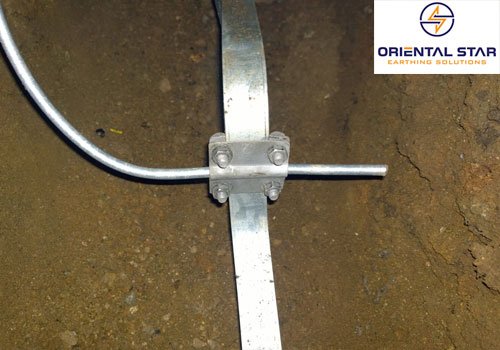
What Is Electrochemical Reaction in Earthing?
In an earthing system, an electrochemical reaction is basically a natural mechanism whereby the electrode metal interacts with minerals, moisture, or acidic components in the ground. This produces corrosion, surface erosion, and loss of conductivity over time. Some soil types, including clay, marshy areas, saline-rich zones, and industrial sites where chemicals might seep into the ground, are particularly aggressive.
This process represents a functional failure risk rather than only a chemical one. The resistance of the electrode rises as corrosion proceeds. Your fault current or lightning discharge might thus not safely pass into the ground, leading to system instability, fire hazards, or equipment damage.
Common Signs of Electrochemical Reaction
- Greenish or white powdery layer on copper or GI rods Rust patches or pitting on surface of electrodes Sudden increase in earth resistance value Regular failure of connected electrical components Surface discoloration of backfill compound zone
Causes of Electrochemical Reactions in Soil
Several environmental and material-based elements define the electrochemical activity:
- Soil Resistivity: High resistivity soils speed up localised reactions.
- Moisture Level: Wet or waterlogged soil increases ion exchange.
- pH Imbalance: Acidic soils attack metal faster.
- Mixed Metal Use: Connecting different metal types can trigger galvanic corrosion.
- Poor Backfill Compound: Low-quality compounds may fail to buffer electrode surface.
- Absence of Coating: Bare metal surfaces corrode faster than treated ones.
Industries at Higher Risk of Corrosion in Earthing
Some sectors in India are particularly vulnerable to this problem due to local soil conditions and industrial exposure:
- Petrochemical and oil plants
- Fertilizer and chemical factories
- Maritime or humid surroundings (e.g., Goa, Chennai)
- Thermal and solar power plants
- Heavy manufacturing units
How Oriental Star Helps Prevent Electrochemical Reaction?
We offer proven and field-tested solutions to combat electrochemical damage in grounding systems. Our recommendations vary by project size, soil type, and application.
1. Copper-Bonded Earthing Electrodes
These electrodes are manufactured using a molecular bonding process that creates a thick copper layer over a steel core. The result is longer electrode life and superior corrosion resistance.
2. Use of Earth Enhancement Compounds
Our low-resistivity, eco-safe compounds neutralize soil pH and form a protective barrier around the electrode. They also reduce the chances of moisture-based ion reactions.
3. Isolated Connection Techniques
We advise against using mixed-metal terminations, especially in aggressive soils. We provide compatible clamps, connections, and sealing methods that prevent galvanic triggers.
4. Advanced Inspection Chambers
Proper monitoring tools allow timely detection of corrosion. Our inspection-friendly chambers let you test resistance and observe visual changes in electrodes without digging.
5. Customized Design Recommendations
We provide complete technical support from site surveys to installation instructions. Real project data informs our recommendations, not presumptions.
Long-Term Benefits of Managing Electrochemical Risk
- Better electrical safety
- ewer grounding failures
- Lower resistance values over time
- Minimal maintenance or replacement costs
- Compliant with safety regulations and IS standards
Locations We Serve
Oriental Star Earthing Solutions delivers corrosion-resistant earthing materials across India, with a strong presence in:
Delhi, Noida, Ghaziabad, Bhiwadi, Haridwar, Karnal, Panipat, Faridabad, Greater Noida, Neemrana, Sonipat, Aligarh, Bahadurgarh, Manesar, Rohtak, Jhajjar, Gurgaon, Agra, Mathura, Murthal, Dadri, Meerut, Bawal, Alwar
Regardless of your location or project size, we are ready to present original corrosion-prevention grounding solutions.
Contact Us
Looking for a dependable G.I. earthing manufacturer or supplier in India?
Oriental Star Earthing Solutions is your partner for long-lasting, low-maintenance grounding systems that resist electrochemical damage. Contact our team to get tailored guidance, product support, or bulk order assistance.
FAQs
The Main Objective of Grounding / Earthing
- To control Radio Frequency (RF) Emissions and Electromagnetic Interference.
- To provide a stable Potential Difference for the accuracy of Instruments.
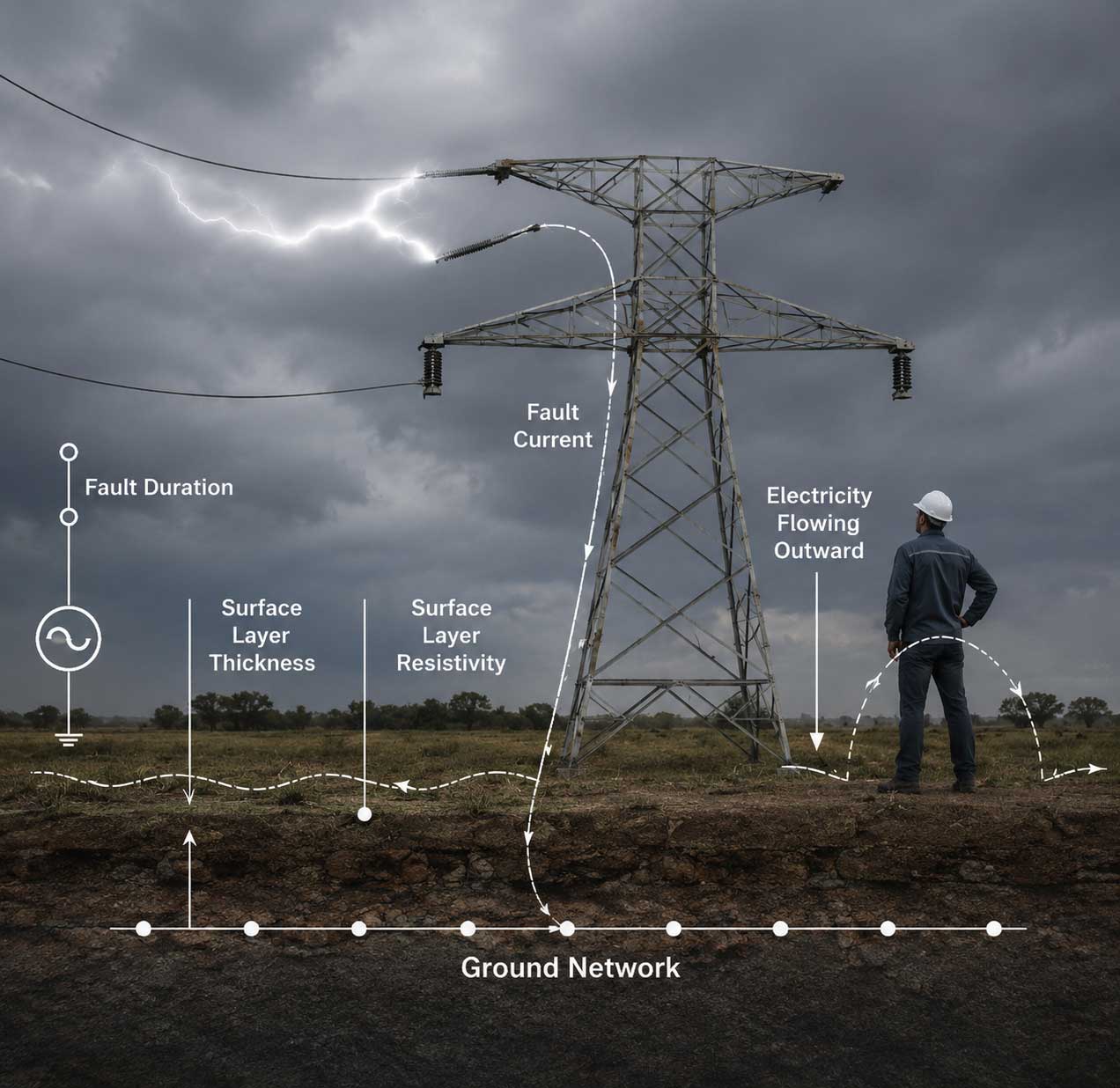
- To provide a Safe Discharge Path for Short Circuits and Lightning Strikes.
- Grounding helps protect electrical and electronic equipment from voltage surges and lightning strikes.
- This is particularly important in sensitive electronic circuits and communication systems.
- This helps protect people from electric shock hazards.
Electrical Safety
Reliable Protection & Performance